Expert Hand Surgery

Our Services

Comprehensive surgical and non-surgical treatment for conditions of the hand, wrist, and elbow.

What We Treat

Specialized Care for Every Condition

Dr. Sabbag combines surgical expertise with a conservative, patient-first philosophy. When possible, non-surgical options are explored before recommending intervention.

Wrist Arthritis Treatment
Condition

Wrist Arthritis

Wrist arthritis is a degenerative condition in which the cartilage lining the wrist joint gradually wears away, causing bone-on-bone friction, pain, stiffness, and swelling. It can result from prior injury, inflammatory diseases such as rheumatoid arthritis, or simple age-related wear.

Dr. Sabbag evaluates each patient thoroughly, beginning with imaging and a detailed clinical exam. Treatment ranges from splinting, anti-inflammatory medications, and corticosteroid injections to minimally invasive procedures and, when necessary, reconstructive or fusion surgery to restore comfort and function.

The goal is always to reduce pain, preserve as much natural motion as possible, and allow you to return to daily activities.

Schedule a Consultation


Tennis Elbow Treatment
Condition

Tennis Elbow — Lateral Epicondylitis

Lateral epicondylitis, commonly known as tennis elbow, is caused by repetitive overuse of the forearm muscles and tendons attached to the lateral epicondyle — the bony bump on the outer side of the elbow. Despite its name, it affects workers, athletes, and anyone who performs repetitive gripping or lifting motions.

Symptoms include pain and burning on the outer elbow, weak grip strength, and discomfort that worsens with activity. Most patients respond well to physical therapy, bracing, and targeted injections. For persistent cases, Dr. Sabbag offers minimally invasive surgical debridement to release the damaged tendon and promote healing.

With proper treatment, the vast majority of patients achieve full resolution of symptoms and return to their normal activities.

Schedule a Consultation

Carpal Tunnel Syndrome Treatment
Condition

Carpal Tunnel Syndrome

Carpal tunnel syndrome is one of the most common nerve compression disorders, affecting millions of Americans. It occurs when the median nerve is compressed as it passes through the carpal tunnel — a narrow passageway in the wrist — causing numbness, tingling, pain, and weakness in the hand and fingers.

Symptoms often worsen at night or with sustained hand use. Early intervention with wrist splinting, activity modification, and steroid injections can provide significant relief. When conservative measures are insufficient, carpal tunnel release surgery offers a highly effective and lasting solution.

Dr. Sabbag performs both open and endoscopic carpal tunnel release, tailoring the approach to each patient’s specific anatomy and circumstances to ensure the fastest possible recovery.

Schedule a Consultation
Trigger Finger Treatment
Condition

Trigger Finger

Trigger finger, medically known as stenosing tenosynovitis, occurs when inflammation narrows the tendon sheath surrounding the flexor tendon of a finger. This causes the finger to catch, pop, or lock when bent — like a trigger being pulled and released.

The condition can affect any finger and is more common in individuals with diabetes, rheumatoid arthritis, or occupations requiring repetitive gripping. Mild cases may respond to rest, splinting, and corticosteroid injections. When the finger is locked or injections have failed, a minor outpatient procedure to release the A1 pulley relieves the constriction immediately.

Recovery from trigger finger release is typically rapid, with most patients regaining full function within weeks.

Schedule a Consultation
Hand and Wrist Fracture Care
Condition

Fracture Care

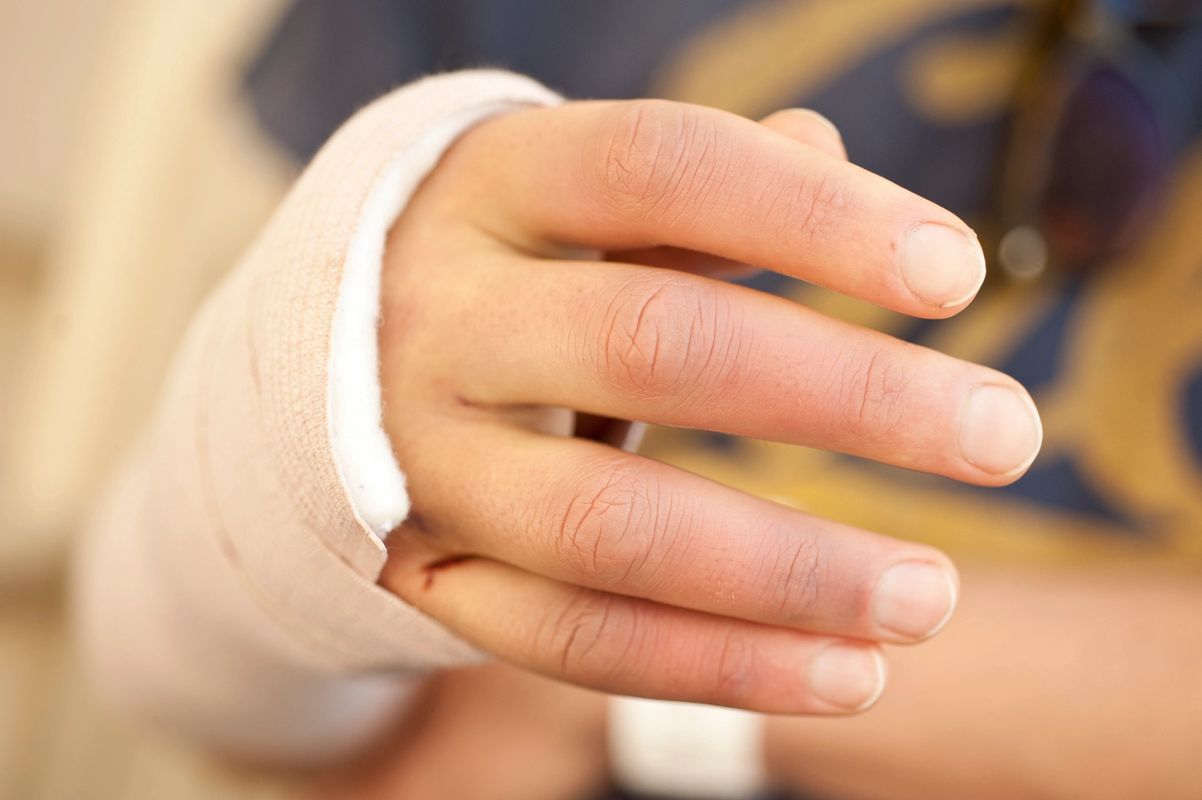
Fractures of the hand, wrist, and forearm require specialized care to ensure proper alignment, healing, and return of full function. Common fractures treated by Dr. Sabbag include distal radius fractures, scaphoid fractures, metacarpal fractures, and phalangeal (finger) fractures.

Treatment depends on the fracture type, displacement, and the patient’s activity level. Many fractures can be managed non-operatively with casting or splinting. Complex or displaced fractures may require surgical fixation using plates, screws, wires, or pins to restore alignment and stability.

Dr. Sabbag’s goal is to achieve anatomic healing while minimizing stiffness and enabling early rehabilitation — helping patients regain strength, range of motion, and return to work and sport as quickly as safely possible.

Schedule a Consultation
Dupuytren's Disease Treatment
Condition

Dupuytren’s Disease

Dupuytren’s disease is a progressive condition in which fibrous tissue beneath the skin of the palm slowly thickens and tightens, forming cord-like bands that can pull one or more fingers into a permanently bent position. The ring and little fingers are most commonly affected.

The disease progresses slowly and may not require early intervention. Dr. Sabbag monitors the condition and recommends treatment based on severity and functional impairment. Options include needle aponeurotomy (fasciotomy), collagenase enzyme injection (Xiaflex), or surgical fasciectomy to remove the diseased tissue.

Early treatment typically yields the best outcomes. Dr. Sabbag will discuss the most appropriate approach based on your specific stage of disease and personal goals.

Schedule a Consultation
Take Action

Don’t Let Pain Hold You Back

Dr. Sabbag and his team are ready to help you find lasting relief. Schedule a consultation today and take the first step toward recovery.

Contact Us Patient Forms